The cost of a loft conversion depends on lots of factors, so it helps to treat every project as unique. The size and type of conversion, the existing roof structure, the amount of structural work required, and your location all affect the total cost.
As a guide, homeowners in the UK typically pay between £20,000 and £45,000, with more complex builds reaching £65,000 or more. In London and other higher-priced areas, prices can be higher because labour costs and site costs often rise.
Below, you will find typical loft conversion costs by size and design. These figures are averages, so you should always get quotes from a loft conversion specialist to understand what you can expect to pay for your own home improvement project.
Average Cost Guide By Loft Size and Windows
For a smaller loft space, costs can stay lower if the design uses roof windows (often called roof light or roof windows) and avoids big changes to the roof to create new walls.
Floor Size: 4x5m
2 Roof Light Windows
£ 20,000/avg
4 Roof Light Windows
£ 25,000/avg
1 Dormer, 1 Roof Light
£ 30,000/avg
Floor Size: 6x5m
2 Roof Light Windows
£ 25,000/avg
4 Roof Light Windows
£ 30,000/avg
1 Dormer, 1 Roof Light
£ 40,000/avg
2 Dormer, 2 Roof Light
£ 45,000/avg
Floor Size: 12x8m
2 Roof Light Windows
£ 40,000/avg
4 Roof Light Windows
£ 45,000/avg
1 Dormer, 1 Roof Light
£ 60,000/avg
2 Dormer, 2 Roof Light
£ 65,000/avg
The loft conversion you choose, plus how much usable space you want to create, will shift the overall cost.
What Affects Loft Conversion Costs Most
Even when two homes look similar, the costs can vary depending on the type of loft conversion and the condition of the property. Some of the biggest factors include headroom and floor space, the roofline, and how much you need to change the roof structure.
Headroom is a key factor. If there is not enough headroom and floor space, you may need bigger changes, such as a dormer loft conversion, a hip to gable loft conversion, or a mansard loft conversion. These usually cost more, but they can maximise space and create a great additional living space.
Your roof structure matters too. If the existing roof needs strengthening, or if new steelwork and floor joists are needed, the build becomes more complex. The complexity of the design, the materials and labour, and the finishes you choose will also affect the budget.
Planning Permission and Permitted Development
Many loft conversions in England can be done under permitted development, but not all. Whether you need planning permission depends on the type of conversion, the roof to create extra volume, and where you live. For example, a mansard loft conversion and some dormer conversion designs are more likely to require planning permission, especially in conservation areas or where roof changes are more visible.
Even if you do not need planning permission, you still need to follow building regulations. Building control will check important things such as fire safety, insulation, staircase design, structure, ventilation, and safe access. These checks are required, and they can add to the cost of a loft conversion.
Building Regulations and Building Control Fees
Building regulations are not optional. Your loft conversion project must meet rules for strength, safety, and energy use. Building control may inspect key stages of the job, such as structural work, insulation, stairs, and final completion. Fees vary by area, and your contractor may include them in your quote, so it is worth checking what is and is not included in the estimates you receive.
Loft Conversion Cost Breakdown
Loft conversion involves many individual jobs. Depending on the type of loft conversion, the costs change, especially where structural work and changes to the roof space are needed. Here is a guide to common costs for a loft that measures around 30 m²:
- Roof coverings: £6,500
- Electrics: £800
- Staircase: £2,000
- Joinery: £4,000
- Decoration: £1,500
- Plastering: £2,500
- Scaffolding: £5,000
- Project management: £10,000
- Alterations to roof structure: £4,500
- Internal preparations: £1,000 Steelwork: £3,500
Extra Rooms, Bathrooms, and Plumbing
A simple loft conversion used as a bedroom or office usually costs less than a conversion that includes a bathroom. Adding an en-suite means extra plumbing, more fixtures, and more work to connect waste pipes, water supplies, and ventilation. These additions increase costs, and they can also increase time on site.
If you are planning a bathroom, it is smart to think about where the existing plumbing sits in the house. Keeping new plumbing close to existing pipe runs is often more cost effective than moving everything across the property.
Staircase, Access, and Layout
A staircase is more than just a set of stairs. It affects the layout of both the loft space and the floor below. In some cases, finding space for the staircase is one of the hardest parts of the design, especially in smaller homes or where you need to avoid reducing an existing room too much.
Safe access is also part of building regulations, so the staircase position, headroom above stairs, and fire safety rules can influence the plan and the overall cost.
Windows, Natural Light, and Roof Options
Windows are a big part of comfort and value. Roof windows can bring in natural light without changing the roofline too much, which can help keep costs lower. A dormer loft conversion often uses dormer windows, which can create a vertical wall and increase usable space, but this type of conversion usually involves more construction and higher costs.
The number and type of windows you choose, plus any changes needed to support them, can add to the total cost.
Party Wall Matters and Neighbours
If you share a wall with neighbours, such as in a semi detached home, you may need a party wall agreement before work starts. This is common for lofts where steelwork goes into shared walls or where structural work affects the party wall. Party wall survey costs can add to the budget, and the process can affect the start date, so it is worth planning early.
Timescales, Disruption, and How Long The Work Takes
Time is another factor that impacts costs. Most loft conversions take several weeks, and more complex types can take longer. A simple roof light conversion may be faster, while a dormer loft conversion or hip to gable conversion can take longer because the build involves bigger changes to the roof structure.
Disruption varies too. Some contractors can keep disruption lower by doing a lot of work from outside using scaffolding, but there will still be noise, dust, and people working in the home. Many homeowners find it helps to plan where you will live and work during the build, especially if you have children or work from home.
Labour Costs and Choosing The Right Team
Labour costs depend on where you live, the experience of the team, and how busy contractors are. London and other high-demand areas usually cost more. It is important to choose skilled contractors who can provide clear quotes and a detailed plan. A loft conversion specialist should explain what is included, what is excluded, and how they handle building control.
Average cost per hour can look like this, but it can vary depending on location and the scale of the job:
- Builder: £20 to £35
- Plumber: £35 to £45
- Tiler: £20 to £40
- Plasterer: £30 to £50
- Electrician: £50 to £120
- Decorator: £20 to £50
Design, architects, and structural engineers
Architects are not always required, but they can be important when the design is complex, when you need planning permission, or when you want to make sure the roof to create the new space looks right from outside. Architects also help homeowners understand options, create drawings, and avoid expensive mistakes.
A structural engineer is often required to confirm how to support the new floor, any steelwork, and changes to the roof structure. This is especially important for dormer loft conversion designs, gable loft conversion work, and mansard loft conversion projects.
Type of Loft Conversion
There are several types of loft conversions, and the type of conversion you choose has a big impact on the total cost and the time needed on site.
Velux Loft Conversion Cost
A Velux loft conversion is often the least expensive option because it usually keeps the existing roof shape. It can be a great way to add a bedroom office or a simple living area with natural light.
Typical cost around: £15,000 to £20,000, depending on the size and type of finishes.
Dormer Loft Conversion Cost
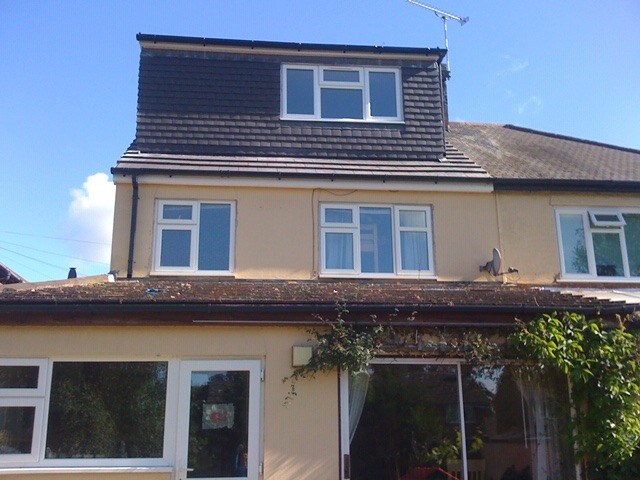
A dormer conversion adds space by extending out from the roofline. It can create more headroom and usable space, and it can suit many homes, including semi detached and detached properties. A rear dormer is common, but costs vary depending on size and design.
Typical cost around: £30,000 to £60,000, vary depending on size, materials, and complexity.
Hip-to-Gable Loft Conversion Cost
A hip to gable conversion changes the sloping side of the roof into a gable end, creating more internal space. A hip to gable loft can be ideal for certain houses, especially semi detached and detached homes, but it is more complex than a basic loft conversion.
Typical cost around: £40,000 to £65,000, depending on the type and how much work is required.
Mansard Loft Conversion Cost
A mansard loft conversion reshapes the roof and usually adds the most usable space. It can create a near full-height room, and it often includes dormer windows. Because it involves major structural work, it is typically the most expensive type of loft conversion, and it may require planning permission.
Typical cost around: £45,000 to £70,000, depending on the size and type of finishes.
How To Save Money Without Cutting Quality
It is normal to want to save money, but cutting corners can lead to problems later. A better approach is to make smart choices that reduce cost without lowering safety or quality.
Keeping plumbing close to existing pipework can lower plumbing costs. Choosing roof windows instead of a large dormer can be more cost effective where headroom allows it. Clear planning also reduces wasted time, which can lower labour costs.
You can also ask contractors for a loft conversion cost breakdown, so you can see where money is going and opt for different fittings or finishes if needed.
Getting Quotes and Checking What Is Included
Before you start, speak to a few loft conversion specialists and ask for detailed quotes. A good quote should explain the type of loft conversion, the materials and labour included, the expected timescale, and how building control will be handled. It should also say whether costs like scaffolding, building regulations fees, and fixtures and fittings are included.
It is important to check that you are comparing like for like. One company may provide a lower price but leave out key parts of the work, which can increase the total cost later.
Converting A Loft
Make sure the loft space is suitable before you commit. Headroom, roof structure, and access all matter. Plan early for the layout, lighting, sockets, insulation, and ventilation so the space is comfortable once complete.
If you may need planning permission, start that process early to avoid delays.
If you are still asking, “how much does a loft conversion cost”, the best next step is to get a few local estimates based on the loft conversion you choose, your property type, and your location in the UK.
Are you planning a loft conversion in Coventry, Nuneaton, West Midlands? So, how much does it cost to convert a loft? If you are planning a loft conversion, you will want to discover the cost involved in completing the project. Ask our local expert today for a quotation. .